Canopy
Display Suite Design: 7 Ways to Improve Buyer Experience
Before construction is complete, the display suite helps shape perception, build trust, and create an emotional connection. In a competitive property market, that first impression can have a major impact on sales.
Whether you’re launching apartments, townhouses, or commercial spaces in Melbourne or Adelaide, thoughtful display suite design can help buyers picture themselves in the finished project.
At Canopy Fitouts, we see display suites as more than just fitouts. They are carefully planned environments designed to create confidence, emotion, and connection. Here’s how to create a display suite that leaves a lasting impression.

How Display Suite Fitouts Help Sell Developments Faster
Buying off the plan is a major commitment.
For many buyers, the display suite is the closest thing they have to experiencing the finished project. It gives them a sense of the lifestyle, quality, and atmosphere the development promises to deliver.
A strong display suite helps buyers move from “This looks interesting” to “I can picture myself here.”
That emotional shift is powerful.
Done well, a display suite can:
- Build buyer confidence
- Showcase finishes and materials in their best light
- Reinforce the developer’s brand and quality of work
- Support faster sales conversations
- Increase perceived value
The best display suites don’t happen by accident. They’re carefully designed to guide buyers through the space and create an emotional connection from the moment they walk in.
Here are seven ways to do exactly that.
1. Start With Strategic Space Planning
Good display suite design starts with flow.
Visitors should move naturally through the space without confusion or congestion. The experience should feel guided, not forced.
Think about the journey from the moment someone walks in. What do they see first? Where do they pause? Where do conversations happen?
A well-planned display suite often includes:
- A welcoming reception area
- Comfortable seating zones
- Meeting and consultation spaces
- Large-scale project visuals
- Interactive display areas
The layout should feel open and polished while still supporting practical sales conversations.
One common mistake? Trying to fit too much into the space. Sometimes less is more.
2. Turn the Display Suite Into a Lifestyle Experience
The best display suites don’t feel like sales offices.
They feel like a preview of the lifestyle buyers are stepping into.
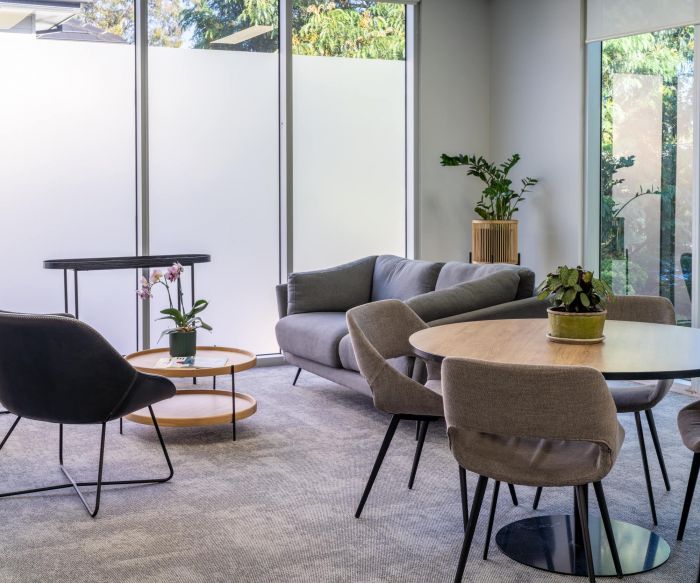
Instead of focusing purely on floorplans and specifications, modern display suite fitouts create atmosphere. Soft lighting, hospitality-inspired furniture, curated materials, and thoughtful styling all help buyers emotionally connect with the project.
People rarely buy property based on logic alone.
They buy based on how a space makes them feel.
The goal is to help buyers picture their future life inside the wider development, not just the space they will be buying.
3. Use Technology to Bring the Project to Life
Modern buyers expect more than printed floorplans on a wall.
Technology has become one of the most effective tools in display suite design. It helps buyers understand the project and creates a more immersive experience.
Popular features include:
- Interactive touchscreens
- Virtual reality walkthroughs
- Digital floorplans
- Animated project renders
- Interactive neighbourhood maps
These tools help buyers visualise the finished development before construction is complete.
They also create moments people remember.
One buyer might forget a brochure. They probably won’t forget walking through a virtual apartment overlooking the Melbourne skyline.
4. Design Around the Target Market
Not every display suite should feel the same.
A luxury downsizer development will appeal to a very different buyer than a first-home-buyer apartment project.
That’s why understanding the audience is critical. Ask questions like:
- Who is buying this development?
- What lifestyle are they looking for?
- What design style resonates with them?
- What level of finish do they expect?
The most effective display suites are designed much like premium commercial fitouts; every detail is considered to shape perception, influence behaviour, and support decision-making. For some projects, that may mean minimalist styling and muted tones. For others, it could involve bold textures, warm lighting, or luxury finishes.
The goal is simple: make buyers feel like the project was designed for them.
5. Incorporate Hospitality-Inspired Design
Modern display suites are moving away from traditional corporate sales environments.
Instead, many developers are embracing hospitality-inspired spaces that feel more relaxed and welcoming.
Think café-style seating. Relaxed lounge areas. Warm lighting. Homely furniture.
This approach helps buyers feel comfortable and encourages longer conversations.
It also reflects broader shifts in property marketing. Buyers no longer want purely transactional experiences. They want to feel emotionally invested in what could be one of the biggest decisions in their lives.
Projects like Itinerant Spirits and Suupaa showcase how atmosphere and spatial planning can shape the overall customer experience.
6. Use Sustainable Materials Where Possible
Sustainability is becoming increasingly important in both residential and commercial developments, with new minimum energy efficiency standards coming into effect to support these efforts.
Even buyers now expect environmentally conscious design choices, even in temporary display suites.
This may include:
- Recycled timber finishes
- Energy-efficient lighting
- Low-VOC paints and adhesives
- Reusable display systems
- Sustainable flooring materials
These choices can support the developer’s brand positioning while reducing environmental impact.
Sustainable design also sends a message. It shows buyers the project has been considered carefully and responsibly.
7. Avoid Common Display Suite Mistakes
Even well-funded projects can fall short if the display suite experience isn’t carefully planned. Some of the most common mistakes include:
Overcrowded layouts
Too many displays or oversized furniture can make the space feel smaller and harder to navigate.
Poor lighting
Lighting affects mood, perception, and even how finishes appear. A poorly lit suite can make premium materials feel flat.
Lack of branding consistency
The display suite should align with the project’s identity, website, brochures, and marketing campaign.
Ignoring acoustics
Busy display suites can become noisy quickly. Acoustic treatments help create a calmer and more professional environment, especially when there are multiple viewings happening at the same time.
Outdated technology
If digital displays lag, freeze, or feel dated, it won’t ruin the experience, but it won’t help it either. When integrated thoughtfully, technology can elevate the presentation and reinforce the quality and innovation behind the development itself.