June 25, 2026

How to Design a Bar Layout That Works (and Looks Great)

The best bars make service feel effortless. Drinks arrive quickly, staff move smoothly behind the counter, and the space feels easy to navigate — even during rush periods.

A lot of that comes down to the bar layout.

Behind every well-functioning hospitality venue is a layout that’s been carefully considered, balancing workflow, customer flow, storage, service speed, and atmosphere all at once. Get it right, and the entire venue tends to feel more polished and enjoyable to be in. Get it wrong, and even a beautifully designed space can become frustrating for staff and customers alike.

At Canopy Fitouts, we work with hospitality businesses to create bars and venues that are practical behind the scenes while still delivering a strong customer experience out front. This guide breaks down some of the key layout considerations that can help shape a more efficient, high-performing hospitality space.
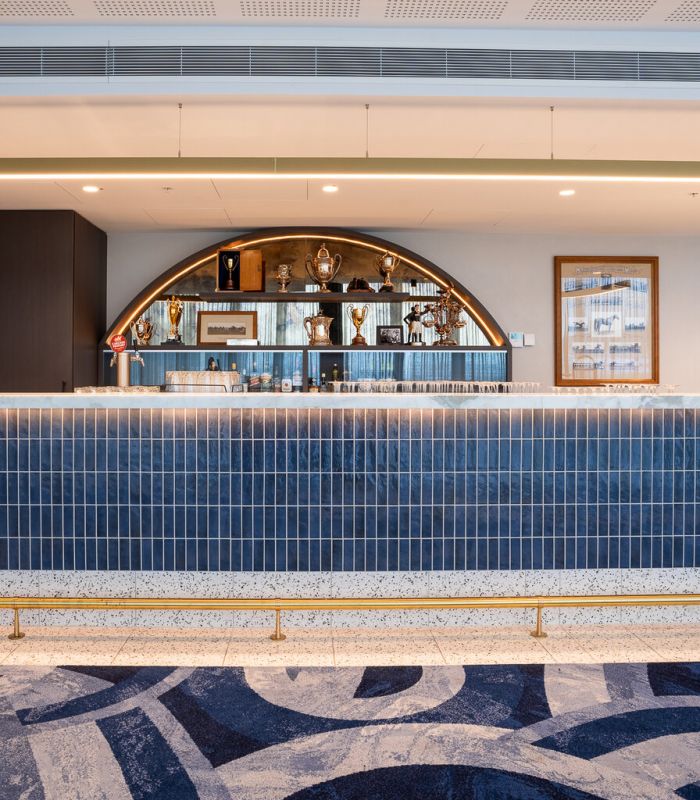
Melbourne Racing Club Web Res 28 2

What Makes a Bar Layout Actually Work

In hospitality, layout decisions affect more than appearance. A poorly planned bar can create bottlenecks, slow down service, frustrate staff, and make the venue feel harder to navigate for customers. A well-designed one helps everything flow more naturally.

A good bar layout should support:

  • Smooth movement for bartenders and floor staff
  • Clear ordering and collection points
  • Practical zoning for prep, service, storage and cleaning
  • Better visibility across the venue
  • A layout that aligns with your brand and service style

For some venues, that might mean a compact straight bar that maximises a narrow footprint (like the one we did for Blackwoods). For others, it could mean an island or L-shaped bar that encourages interaction and helps define the space. The best layout depends on how your venue will actually operate, not just how you want it to look.

Start With Function, Then Form

One of the most common mistakes in hospitality design is focusing on finishes before function. While the visual identity of your venue matters, your bar layout needs to support the way drinks are made, delivered and experienced.

Before locking in a design, it helps to ask:

  • Will customers order directly at the bar, or through table service?
  • Is the venue cocktail-heavy, wine-led, beer-focused, or multi-offer?
  • Will the bar need to handle daytime and evening trade differently?
  • How many staff are likely to work behind the bar during peak periods?
  • What needs to be kept within easy reach?

These operational questions often shape the layout more than the style brief. In fact, one of the strongest themes across trending bar design ideas is flexibility. Modern hospitality spaces should adapt across different service periods, customer groups, and revenue streams.
Common Bar Layout Types and Where They Work Best

There’s no single best bar layout for every venue, but there are a few tried-and-tested configurations that work well in hospitality fitouts.

Straight Bar

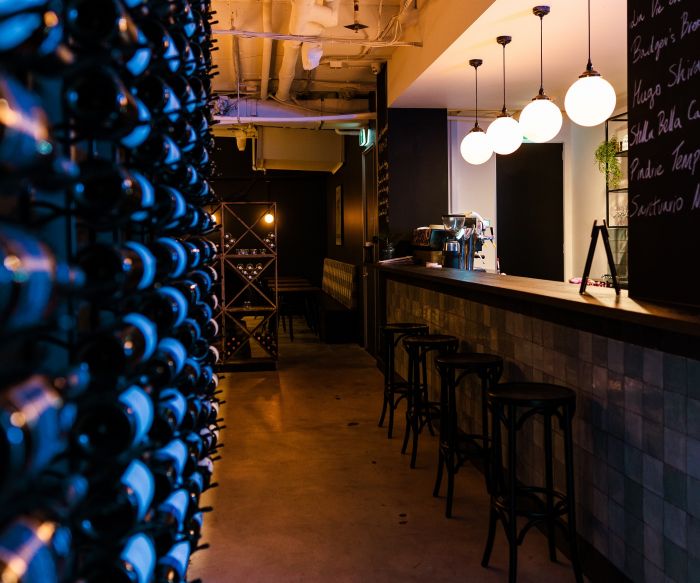
A straight bar layout features a single linear counter, typically running along one wall, with bartenders working from behind in a compact service zone.

It’s often the simplest option and suits smaller venues, narrow tenancies, and straightforward service models where space is tight and efficiency matters. Keep in mind that it may become congested during busy periods.

Best for:

  • Small bars
  • Wine bars
  • Compact hospitality spaces
  • Venues with limited frontage

Why it works:

  • Simple and cost-effective to build
  • Easy for customers to understand
  • Works well in long, narrow spaces

L-Shaped Bar Layout

An L-shaped layout wraps around a corner, creating two connected service sides that help separate different functions behind the bar. This can help separate ordering from drink prep, or allow one section to focus on service while the other handles POS, glassware or pickup.

Best for:

  • Corner sites
  • Neighbourhood bars
  • Hybrid dining and drinking venues

Why it works:

  • Improves flow for staff
  • Helps break up customer traffic
  • Can create a more social, connected feel

U-Shaped

A U-shaped bar surrounds staff on three sides, creating multiple workstations within a more enclosed service area.

A U-shaped bar suits larger, busier venues where several staff members need to work behind the bar at once. It gives more bench space and allows distinct service zones within the same footprint. While more efficient than a straight bar, it requires careful planning so that staff aren’t boxed into a space that’s difficult to navigate.

Best for:

  • High-volume venues
  • Pubs
  • Larger cocktail bars
  • Venues with broader drink menus

Why it works:

  • Creates multiple workstations
  • Helps reduce crossover between staff
  • Supports higher service capacity

Island Bar

An island bar places the bar at the centre of the venue, making it a visual and social focal point. This approach can work beautifully in open-plan hospitality settings where the bar is part of the venue experience. It also allows customers to approach and interact with the bar from multiple sides. 

Layouts like these require excellent planning and storage. Ideally, bartenders should have access to all wells/mixers/etc within arm's reach of their station.

Best for:

  • Premium cocktail venues
  • Destination bars
  • Large open hospitality spaces (e.g. breweries or distilleries, like this one we did for Itinerant Spirits)

Why it works:

  • Encourages engagement from multiple sides
  • Creates a strong visual impact
  • Limits overcrowding at the bar, as users can get served from multiple stations
004 Blackwoods v4

The Key Principles Behind an Effective Bar Layout

Whatever layout you choose, the fundamentals are largely the same.

1. Workflow Should Feel Intuitive

Staff shouldn’t need to take extra steps to complete routine tasks. Ice, glassware, refrigeration, POS, sinks and garnishes should be positioned with service flow in mind. The goal is to minimise unnecessary movement while making the workspace feel comfortable and easy to use.

This practical approach is part of how we shape hospitality fitouts across Melbourne and Adelaide, working from both the operator’s needs and the customer journey.

2. Customer Flow Should Feel Effortless

Customers should know where to stand, where to order, and where to move once they’ve been served. When a venue feels confusing at the bar, it can quickly affect the atmosphere and wait times. Good bar layouts make the experience feel natural without requiring excessive signage or staff direction at every turn.

3. Clear Zoning in Front-Of-House and Back-Of-House

A bar needs to look polished from the customer side, but it also needs practical back-of-house zones that support prep, restocking, washing and service. When these functions overlap too heavily, clutter builds quickly, and service can slow down or halt completely.

4. Storage Is Never a Minor Detail

Storage is one of the easiest things to underestimate in bar design. Glassware, stock, tools, napkins, ice buckets, garnishes, bins and cleaning items all need a home. Building storage into the layout from day one usually leads to a cleaner, calmer service environment.

5. The Layout Should Reflect the Venue Concept

The best bar layouts feel aligned with the brand. A sleek cocktail venue may benefit from a more theatrical layout that showcases the making process. A neighbourhood wine bar might lean into warmth, intimacy and conversation. A sports bar or pub may need to prioritise drink throughput (e.g. more tap stations) and screen visibility.

That balance of atmosphere and practicality is what helps turn a fitout from visually appealing into genuinely high-performing. It’s also something you can see across Canopy’s hospitality projects, from Comma Food & Wine with its shared, welcoming feel to Thataboy Wine Bar, where mood, materiality and bar presence played a major role in the venue experience.

Get Your Bar Layout Right From the Start

A great bar layout doesn’t happen by accident. It comes from understanding how the space needs to function, how customers will experience it, and how every design decision supports the bigger picture.

Planning a new bar fitout?

Our team works with hospitality operators to shape practical, award-winning fitouts that stay true to your venue’s identity. From layout planning and finishes through to construction and handover, we focus on creating bars around effortless team workflow and unforgettable guest moments.

If you’d like to explore what your dream venue could look like, the team at Canopy Fitouts is always happy to have a practical, no-pressure conversation about your goals. Reach out today for a free consultation.