 Canopy
Occupation Certificate Checklist: How to Avoid Approval Delays
You’ve finished your fitout. The paint is dry. The furniture is in place. Staff are ready to start. There’s only one looming question…
Have you got your occupation certificate?
It’s a simple question. But if the answer is no, you can’t legally open.
An occupation certificate (OC) is the final sign-off that allows you to legally occupy and use your building. Without it, you cannot trade. Delays can cost you rent, wages, and lost revenue.
The good news? Most occupation certificate delays are preventable. This occupation certificate checklist will help you stay ahead of issues and avoid last-minute stress.
What Is an Occupation Certificate?
An occupation certificate confirms that your building is safe and suitable to occupy.
In practical terms, it means:
- The works match the approved plans
- The building complies with the National Construction Code (NCC)
- All permit conditions have been met
- Essential safety measures are installed and working
In both Victoria and South Australia, the relevant building surveyor or certifier issues the certificate once they are satisfied that everything complies. Without this final tick of approval, your business legally can’t open.
When Do You Need an Occupation Certificate?
You need an occupation certificate when:
- Constructing a new building
- Changing the use of a building
- Completing a major commercial fitout
- Carrying out substantial building works
For example, converting an office into a restaurant or medical clinic usually requires an OC before trading.
If you are unsure, ask your building surveyor early. It is much easier to clarify at the start than to fix issues at the end.
Why Do Occupation Certificates Get Delayed?
Most delays don’t happen at the end. They start months earlier.
A wall moves during construction. A door swing changes. A service penetration is added. No one updates the drawings.
Fast forward to the final inspection, and the surveyor says, “This doesn’t match the approved plans.” Now you’re scrambling.
Other common issues include missing compliance certificates, incomplete fire commissioning, or accessibility requirements that weren’t properly checked during construction.
One small oversight can hold up the entire project. Think of the occupation certificate as the final exam. If one subject fails, you don’t pass.
Occupation Certificate Checklist: What to Review Before You Apply
Use this checklist to stay ahead of issues during your fitout build.
Use this checklist to stay ahead of issues during your fitout build.
1. Do the Built Works Match the Approved Plans?
This is the first thing any building surveyor will assess.
- Does the layout match the stamped drawings?
- Are exits in the same location?
- Are door widths compliant?
- Are fire-rated walls built correctly?
If you made changes during construction, make sure they were approved. Even minor layout adjustments can cause delays if not documented.
Tip: Conduct a pre-inspection walkthrough with your builder before booking the final inspection.
2. Have You Collected All Compliance Certificates?
Your occupation certificate application relies on paperwork.
You will typically need compliance certificates from licensed trades. This may include electrical, plumbing, mechanical, hydraulic, and fire services.
If one certificate is missing, the process can stall.
Don’t leave this to the last week of construction. Keep a running checklist of certificates from day one. Secure these certificates from licensed contractors as soon as their portion of work is completed.
3. Are Fire Safety Systems Installed and Commissioned?
Fire compliance is critical.
Your building surveyor will expect:
- Fire extinguishers installed
- Fire hydrants and hose reels tested
- Exit signs working
- Emergency lighting operational
- Fire doors compliant
- Smoke detection systems active
If your project requires sprinklers, hydrants, smoke detection, or a fire engineering report, every item must be installed and tested. Specifically, if your project requires a fire engineering report, ensure all recommendations are completed.
Book fire commissioning early. These inspections often require coordination and can take time.

4. Have Accessibility Requirements Been Checked?
Commercial buildings must comply with the National Construction Code (NCC) and relevant Australian standards for accessibility.
Check:
- Door widths
- Ramp gradients
- Handrails
- Accessible toilet layout
- Circulation space (clear floor area required for people to move safely and comfortably through a building)
- Threshold transitions
Accessibility is not optional, and small details matter. It’s not unlikely to see a project delay simply because a grab rail wasn’t positioned correctly.
5. Are Planning Permit Conditions Fully Satisfied?
Many owners forget this step.
Your planning permit may include specific conditions. These could relate to acoustic treatments, waste areas, landscaping, car parking, or signage. An occupation certificate won’t be issued if planning conditions remain outstanding.
Many owners forget that planning conditions must be signed off before an occupation certificate is granted. Pull out your permit and review every condition line by line.
6. Is Your Essential Safety Measures (ESM) Documentation Ready?
In Victoria, essential safety measures must be clearly documented and maintained. South Australia has similar ongoing safety obligations.
This includes:
- Fire systems
- Exit lighting
- Smoke control systems
- Mechanical ventilation
- Sprinkler systems
You will need an ESM schedule and maintenance plan. Without this documentation, your occupation certificate may not be issued.
Remember, the occupation certificate confirms the building is safe today. Ongoing maintenance keeps it safe tomorrow.

7. Have You Booked Final Inspections Early?
Surveyors are busy. Certifiers are busy. Fire consultants are busy.
If you wait until practical completion to make bookings, you may face unexpected delays.
Build inspection dates into your program. Allow buffer time. Opening day should feel planned, not rushed.
8. Clean and Safe Site Presentation
It might sound simple, but how your site looks on inspection day matters. When the building surveyor walks through, the space should feel complete, safe, and ready to occupy. Loose wires, unfinished surfaces, exposed services, or construction debris can raise concerns, even if the core works are compliant. The surveyor should get the impression that your build is ready, not almost ready.
Make sure all building works are finished and accessible. Doors should open properly. Lighting should function. Access to plant rooms, amenities, and service areas should be clear. A clean, organised site shows that the project is finished and professionally delivered. A tidy, fully completed environment helps reinforce that confidence.
Practical Tips to Avoid OC Delays
The work starts long before the final inspection. Here are a few smart habits that help:
- Engage your building surveyor early
- Keep a compliance register from day one
- Hold weekly project check-ins
- Document all variations
- Request draft certificates before practical completion
The Canopy Difference
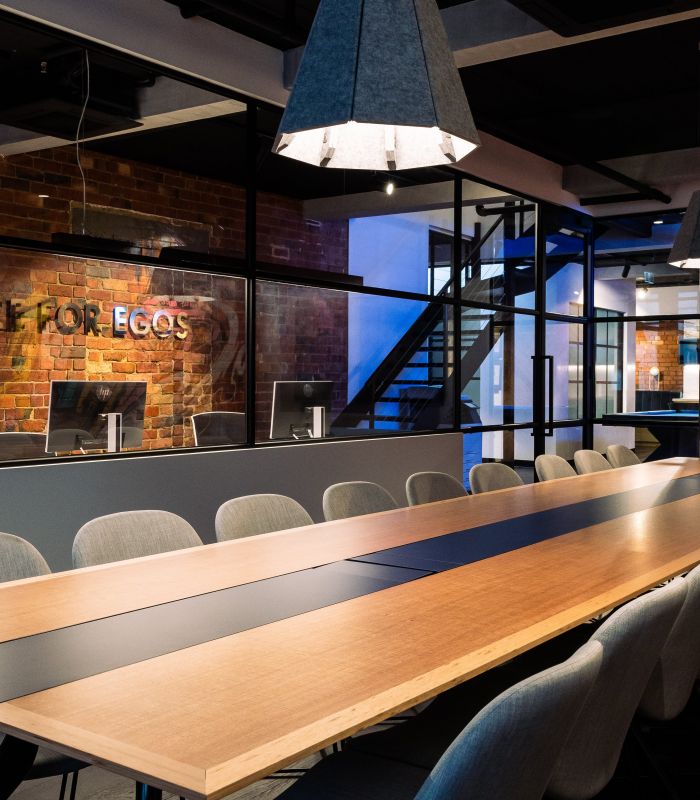
If you choose to complete your fitout with Canopy, we manage the occupation certificate process on your behalf.
That means:
- We prepare and coordinate the required documentation
- We collect compliance certificates from trades
- We liaise directly with building surveyors or certifiers
- We design within strict approval specifications from the outset
At Canopy Fitouts, we complete hundreds of commercial fitouts each year across Melbourne and Adelaide. We understand the local approval processes and what building surveyors and certifiers look for during inspections.
Our job is to make that final step as stress-free as possible. And because our designs are developed with compliance in mind, surveyors can sign off with confidence at every stage of the project.
Plan Early to Avoid OC Avoid Stress
An occupation certificate should not be a last-minute hurdle. It should be the natural outcome of a well-managed fitout. If your built works match approved plans, your documentation is organised, and your fire and accessibility requirements are properly addressed, the process becomes far smoother.
If you’re preparing for a commercial fitout and want to avoid unnecessary approval delays, speak with the Canopy Fitouts team today. We’ll help you deliver a space that’s not only beautifully built, but fully approved and ready to trade. Reach out today for a free consultation.