 Canopy
9 Warehouse Design Essentials for Growing SMEs
Planning your first purpose-built warehouse? Upgrading an outdated manufacturing facility? Or trying to optimise your growing ecommerce brand?
Warehouse design isn’t just about fitting in more racking. It’s about flow, safety, durability and future growth. Get it right, and your warehouse becomes a competitive advantage. Get it wrong, and inefficiencies compound every single day.
Here are nine practical warehouse design principles every growing SME, manufacturer, and ecommerce operator should consider before committing to a new fitout.
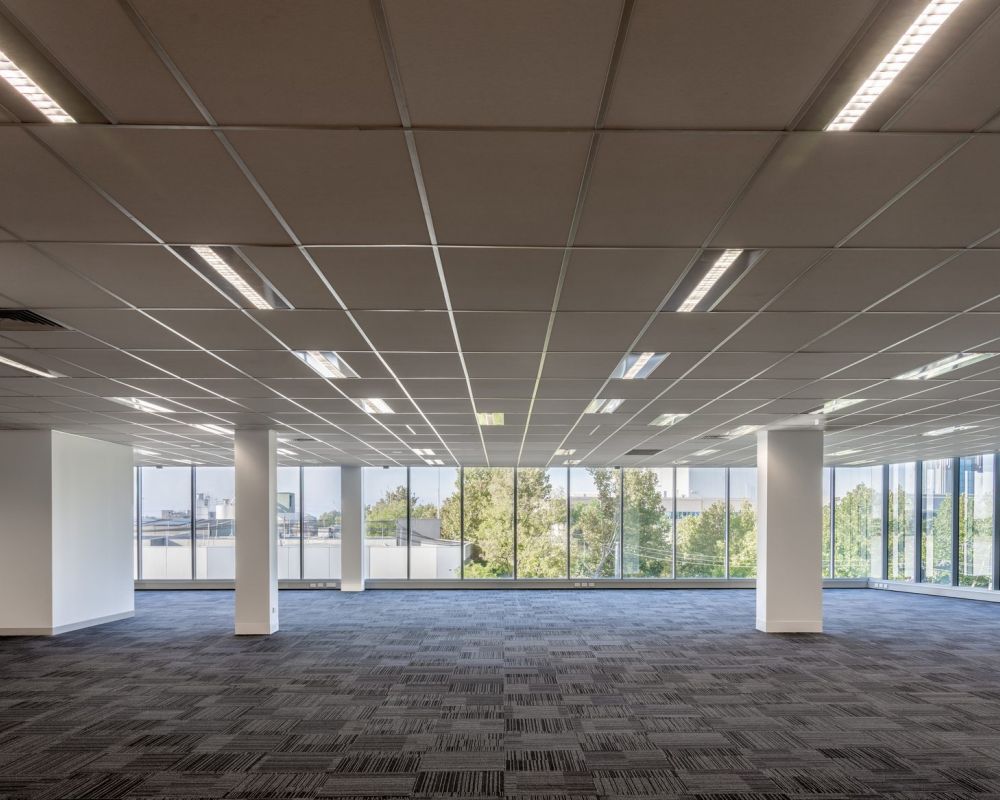
1. Design Around Workflow, Not Just Available Floor Area
One of the most common mistakes in warehouse design is starting with “How many pallets can we fit?” instead of “How does our product move?”
Map your operational journey:
- Receiving
- Quality control
- Storage
- Picking or production
- Packing
- Dispatch
Whether your business follows this general example or a different workflow, your warehouse layout should match this sequence logically without backtracking or cross-traffic. This could also be a great time to assess the efficiency of your overall operational workflow before committing to a specific floor layout.
Practical tips:
- Separate receiving and dispatch areas where possible to avoid bottlenecks during busy periods.
- Keep high-turnover SKUs closest to packing and dispatch zones.
- In manufacturing environments, clearly separate raw materials from finished goods.
- Use floor marking and signage to reinforce logical flow.
Warehouse fitouts are all about optimising around how your team works. If you can get this right, a few seconds shaved off a workflow can translate into hours saved every day. This has a direct financial impact on your business.
2. Get Traffic Flow Right from Day One
Poor traffic planning is one of the biggest operational and safety risks in older warehouses.
Forklifts crossing pedestrian paths. Trucks reversing into congested loading zones. Tight turning circles that slow everything down.
Good warehouse design considers:
- Dedicated forklift lanes with appropriate turning radii
- Clearly separated pedestrian walkways
- Adequate apron space for truck manoeuvring in loading dock areas
- Strategic dock setups that support peak dispatch periods
Sit down with key members of your team and model your busiest day - not your average one. Your fitout should be able to handle your growth, not just current demand.

3. Maximise Warehouse Storage Density
Using vertical space effectively is essential - but more racking isn’t always better. The real goal of warehouse design is balanced density: achieving high storage capacity while still maintaining safe, efficient access for your team and equipment.
For SKU-heavy operations, selective pallet racking often makes the most sense because it gives you direct access to every pallet. If you’re holding larger volumes of the same product, double-deep racking can improve storage efficiency without dramatically increasing your footprint.
In tighter layouts, narrow aisle systems can unlock additional capacity, provided your forklifts and operators are set up for it. And for lighter goods or packing operations, a well-designed mezzanine can help you make better use of vertical space without expanding your building. Mezzanines are also great for keeping your entire team under one roof, providing a separate, quieter space for desk-based work.
Whichever system you choose, ensure it complies with AS 4084 (the Australian Standard for steel storage racking) and is professionally installed and certified. Partnering with an experienced, reputable fitout provider adds an extra layer of confidence, helping ensure your warehouse design meets compliance requirements and, most importantly, remains safe for your team long term.
4. Build Safety and Compliance Into the Warehouse Design
Under Australian Work Health and Safety (WHS/OHS) legislation, employers have clear obligations to provide a safe workplace. For warehouse fitout design, these obligations shouldn’t be met, but exceeded.
Yet many redesign projects reveal common compliance gaps, such as:
- Inadequate pedestrian and forklift separation
- Insufficient emergency egress paths
- Poor lighting in picking zones
- Non-compliant or damaged racking systems
Whether you're redesigning an existing warehouse or working with an empty shell, safety supersedes design. Every choice - aesthetic or functional - should be filtered through the lens of safety and risk management.
Before starting a new design, arrange safety inspections before, during, and after works are completed. Also, in the early design phases, make sure the following must-haves are included:
- Exit paths are clearly marked and unobstructed.
- Guardrails and bollards installed in high-risk areas.
- High-efficiency LED lighting installed to improve visibility in operational areas.
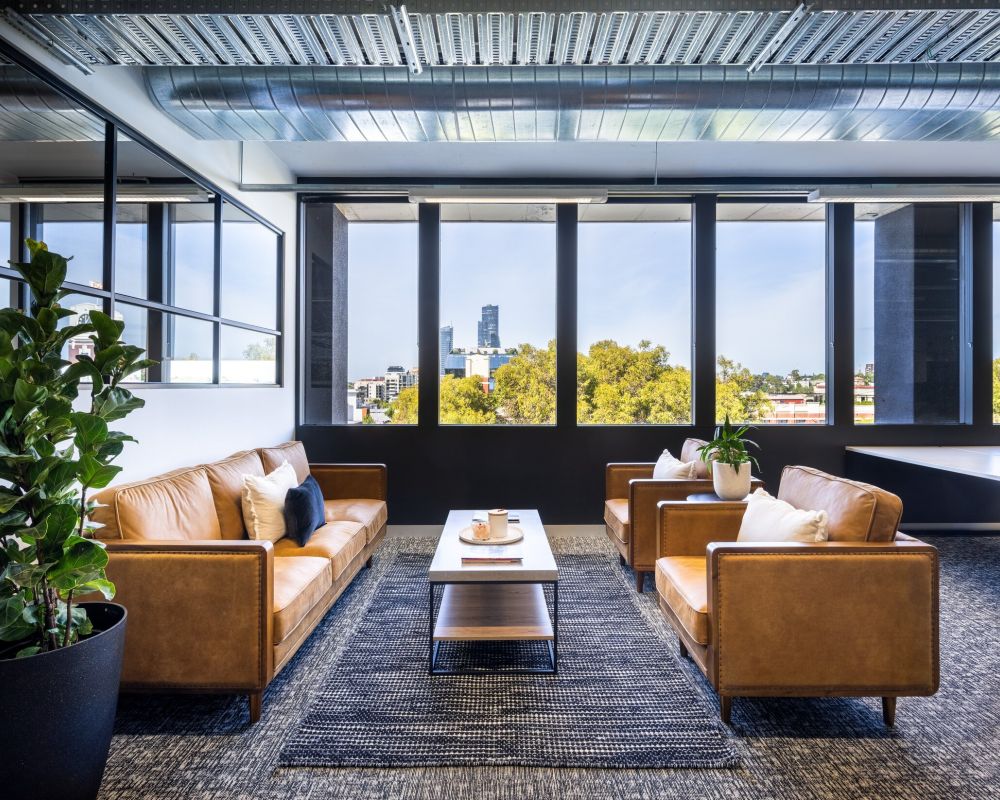
5. Choose Materials That Can Handle Real-World Wear and Tear
Warehouses are demanding environments. Floors, walls and partitions take constant impact. Durable material selection is one of the most overlooked aspects of warehouse design.
Consider:
- Epoxy-coated or polished concrete flooring for durability and easy maintenance
- Impact-resistant wall linings in forklift zones
- Powder-coated steel partitions for long-term resilience
- Fire-rated materials compliant with the National Construction Code (NCC)
Cutting costs on materials often leads to premature repairs, and downtime is always more expensive than doing it properly the first time. At Canopy Fitouts, we can work with you to source materials that are durable and cost-effective for your budget. Where possible, we secure the best prices through our long-standing relationships with local suppliers.
Recommended Reading: Warehouse Fitout Costs Explained
6. Integrate Office and Operational Areas Thoughtfully
For growing SMEs building their first warehouse, integrating office and warehouse zones is a major design decision.
Ask yourself:
- Does management require visual oversight of operations?
- Should admin teams be acoustically separated from production noise?
- How will visitors move safely through the space?
A well-designed interface between front-of-house and warehouse areas improves professionalism and functionality for the entire build.
For 2XU’s office warehouse fitout, our team wanted to create a space that was not only functional but also comfortable and conducive to collaboration and productivity. To achieve this, we incorporated adequate breakout and meeting spaces into the floor plan. These zones served not only as functional spaces but also as visual interest in the design.
See How We Did It Here: 2XU’s Industrial Office Fitout
7. It’s Never Too Early to Plan for Growth
The most expensive warehouse design mistake? Planning only for today.
Ecommerce and manufacturing businesses can double their volume faster than expected. If scalability isn’t built in, you’ll face costly retrofits within a few years. Remember, commercial leases are long-term investments. If you can get your build right the first time with the help of landlord financial backing, it will save thousands (or more) in the years to come.
Future-proofing strategies include:
- Modular office pods or demountable partitions
- Racking layouts designed for staged expansion
- Budgeting for electrical and data capacity beyond the current need
- Infrastructure for automation technology (where applicable)
In larger industrial facilities, consider leaving expansion zones within your warehouse design, along with ideas on what function these spaces will serve as your business grows. Scalable warehouse design doesn’t mean overbuilding. It means removing constraints (e.g. power & data cabling) well before you need to.
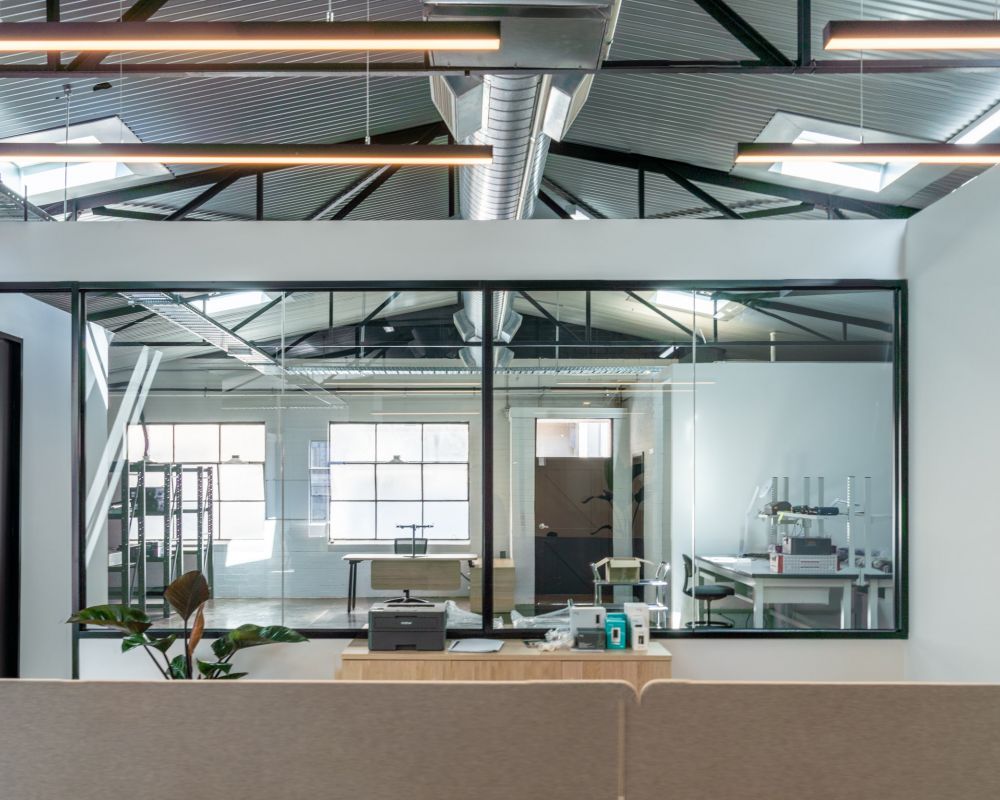
8. Design With Total Cost of Ownership in Mind (Not Just Fitout Cost)
For growing SMEs, capital expenditure matters. But focusing only on upfront fitout cost can be a costly mistake.
A smarter way to look at warehouse design considers:
- Ongoing energy consumption
- Maintenance requirements
- Staffing efficiency
- Insurance and compliance risk
- Future modification costs
For example, investing in LED lighting and smart controls reduces long-term energy bills. Higher-quality flooring reduces repair downtime. Better layout planning can reduce headcount pressure as volumes grow.
For manufacturers upgrading older/outdated facilities, this is especially critical. A “cheaper” redesign that doesn’t fix workflow inefficiencies can quietly cost thousands per month in lost productivity. Work with your team to uncover what that TCO range might be. Your profitability may come down to how efficiently your space is designed and used, not how many units you move.
Recommended Reading: 7+ Building Upgrades That Will Boost Property Value
9. Let Your Data Drive the Warehouse Design
This is particularly powerful for ecommerce operators and mid-sized logistics-heavy businesses. Too often, warehouse design decisions are made based on assumptions rather than real operational data.
Before finalising the layout, review: order frequency by SKU, seasonal volume spikes, growth potential, and other business data. For example:
- If 20% of SKUs drive 80% of orders, they should influence storage zoning.
- If peak season doubles dispatch volume, dock capacity must reflect that.
- If returns are rising, a dedicated reverse logistics zone may be essential.
Even for new businesses with little historical data, you can still work with anecdotal team feedback to draw initial conclusions before finalising your fitout design.
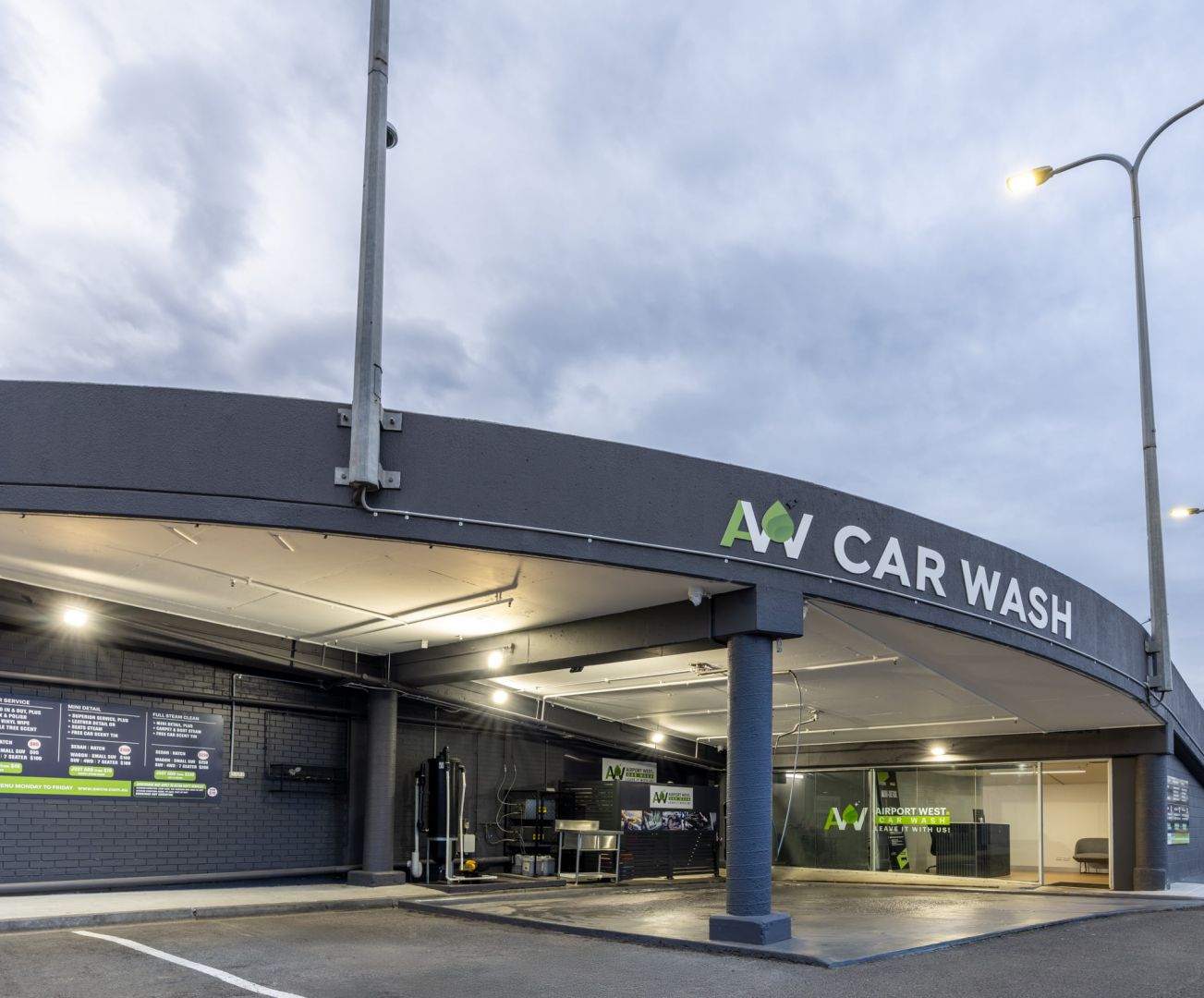
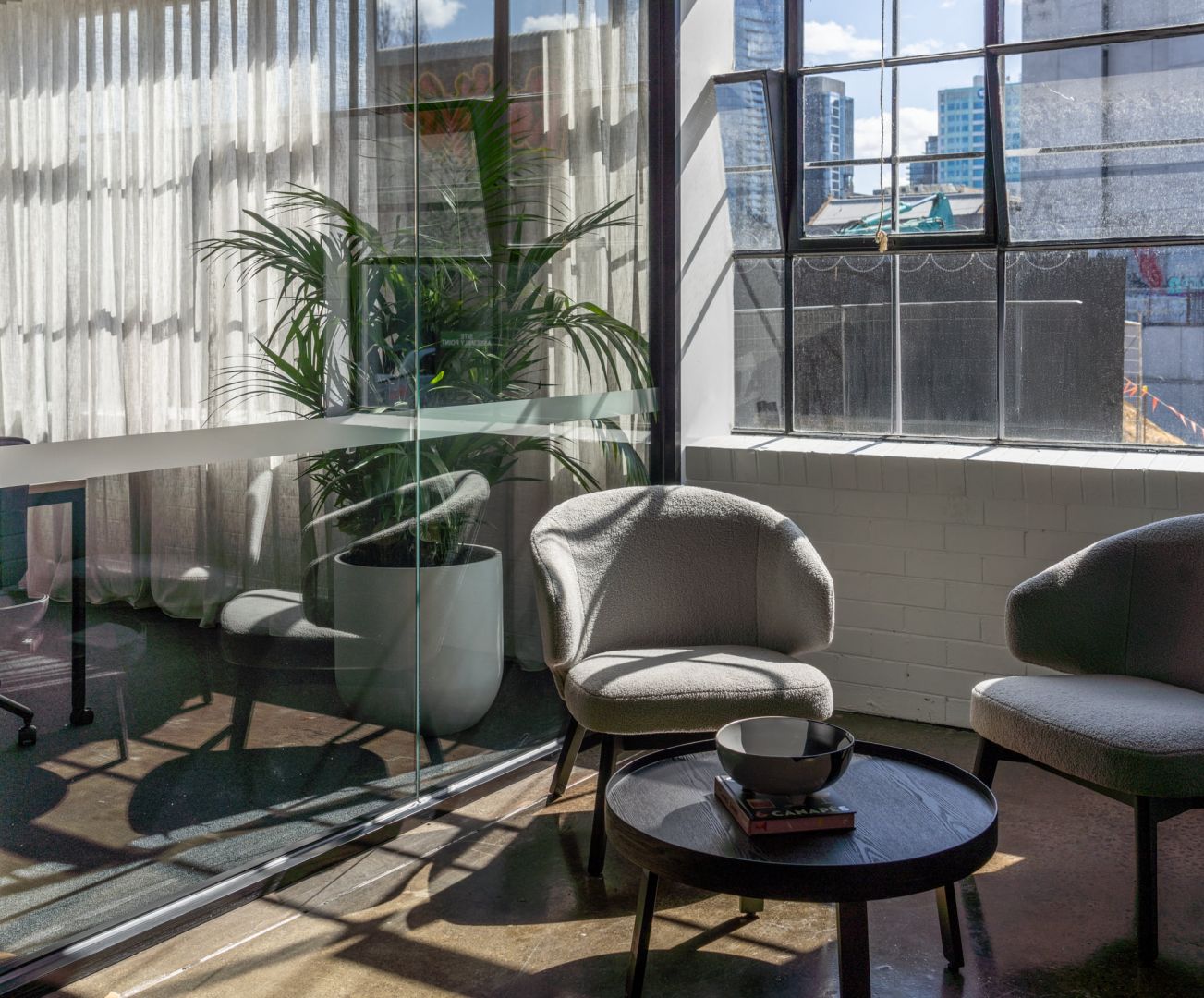
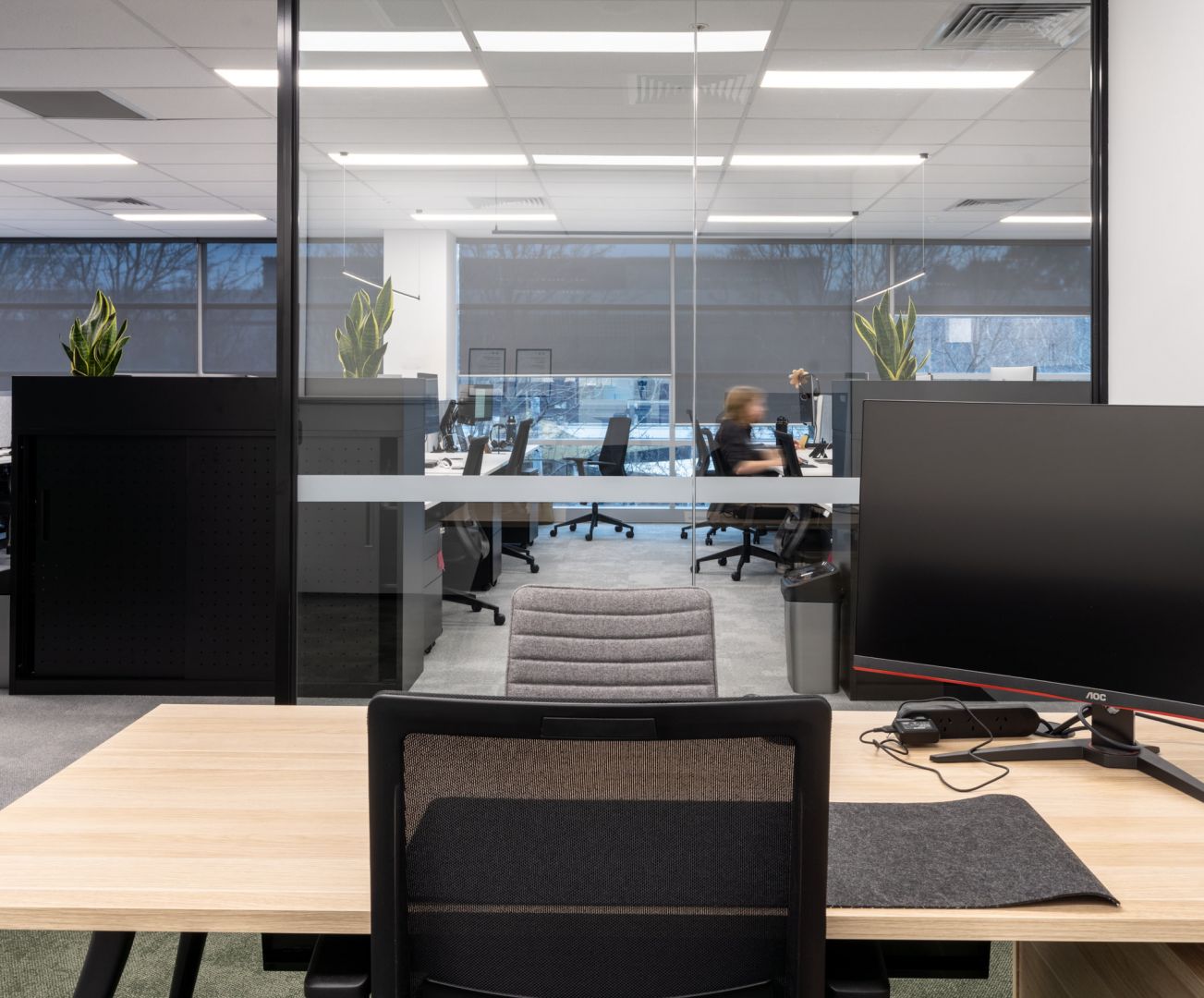
Our Recent Industrial & Warehouse Fitouts
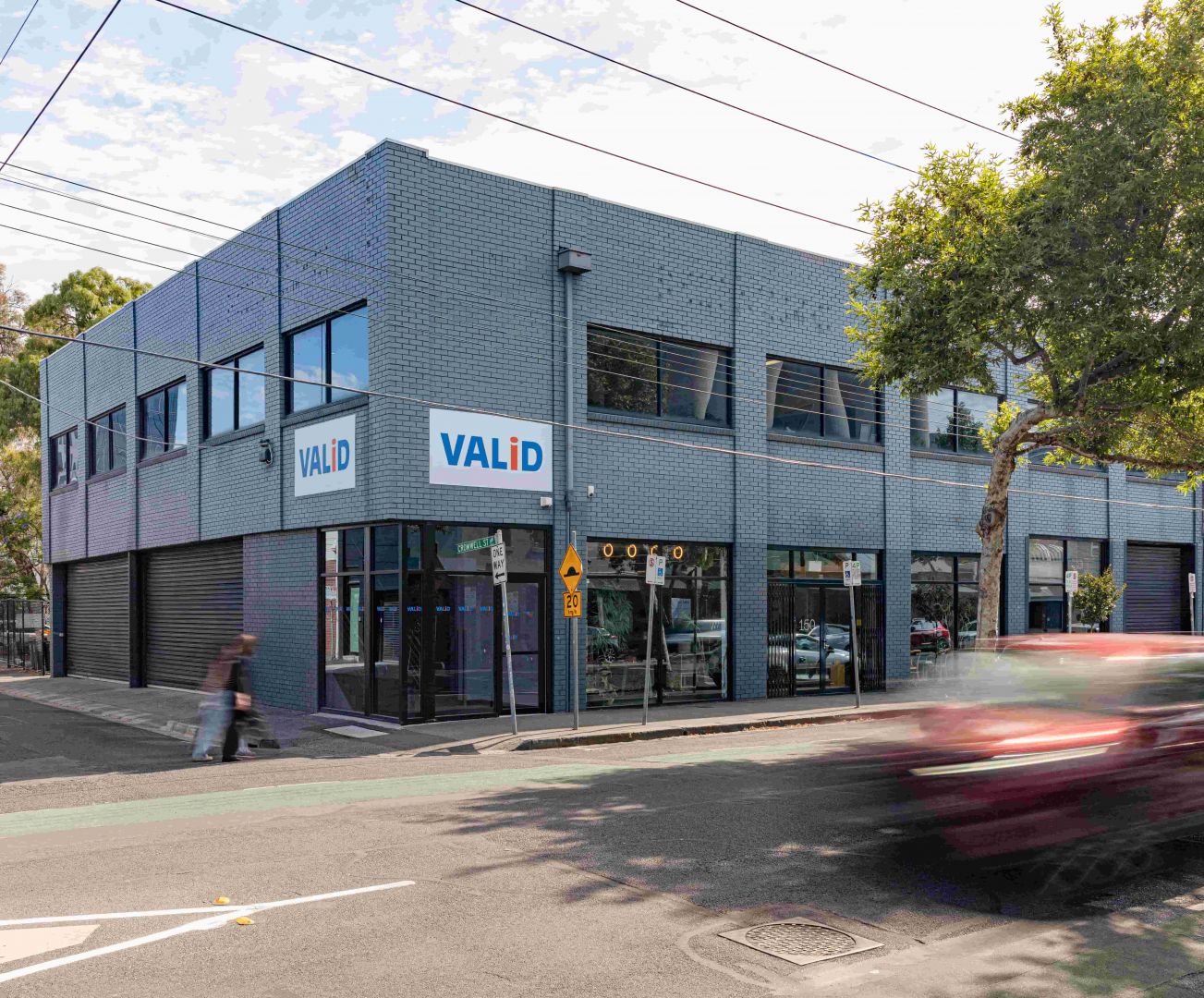


Design a Warehouse That Grows With You
Whether you’re a manufacturer modernising an outdated facility, an SME moving into your first warehouse, or an ecommerce brand optimising a growing operation, warehouse design will significantly impact your ability to scale. The businesses that see the best long-term results approach warehouse design strategically, aligning layout, compliance, materials and scalability from the outset.
If you’re considering a warehouse fitout or redesign in Melbourne or Adelaide, it’s worth seeking expert input early. A structured design process can uncover risks and opportunities that aren’t obvious at first glance, and ensure your facility supports the next phase of growth, not just the current one.
If you’d like to explore what a smarter warehouse design could look like for your business, the team at Canopy Fitouts is always happy to have a practical, no-pressure conversation about your goals. Reach out today for a free consultation.